



Iceland It is slowly becoming a priority destination for many travelers.
But you have to know that, depending on the dates you travel, you will find different Iceland.
We say this because The time of year clearly determines the trip.
DON'T FORGET YOUR TRAVEL INSURANCE
Are you planning your trip or getaway? Don't leave without take out your travel insurance before, and here we explain whyIf you contract it with us, you have a 10% discount with the code GUIASVIAJAR10.
Being close to the Arctic Circle, the winters are very harsh, especially in the months of December, January and February; but, however, in November and March it is already a milder winter.
On the contrary, in the months of June, July and August the temperatures are more pleasant and the landscapes change.
Be careful that summers are still cold, do not go traveling thinking that it is hot.
In any case, we are going to explain to you what tourism is like at different times of the year so that you can choose your ideal date, based on the experience of our trip to Iceland with Polar Lands y Norwegian Air.
All the information in detail
Best time to travel to Iceland
What is the best time all with travel to iceland?

This is a question that has been with me throughout the trip, and I come away with the feeling that there is no perfect answer.
Simply every trip is different and you will find the same landscape but completely changed.
Furthermore, each time of year has advantages and disadvantages and it is important to know that there are two clearly defined seasons, summer e winter.
Travel to Iceland in summer
Evidently. If you prioritize temperature, the Best time to travel to Iceland is summer, in the months of June, July and August.
Without forgetting that the days are almost endless in summer, you don't have problems having to travel from one place to another quickly because you have plenty of light.
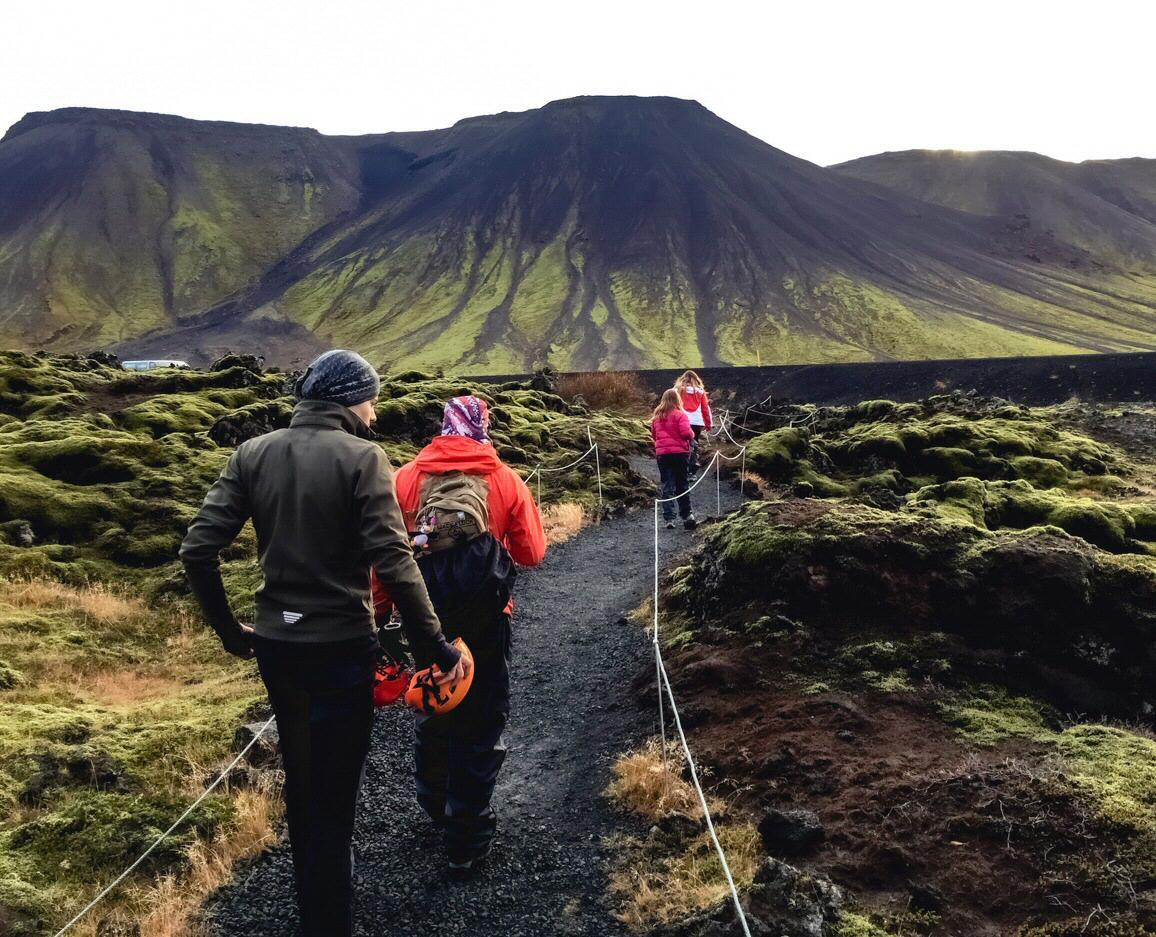
The days are endless, as there are barely three or four hours of darkness on the longest days.
The disadvantage of having so many hours of daylight is that you have to get used to sleeping with the sun in the sky, since in Iceland The houses and hotels do not have blinds to block the light.
Temperatures in Iceland
During the days of temperatures lowest in summer you can be 8 degrees, while on a good day at this time of year you can enjoy about 14 degrees.
It's not that it's hot, you have to keep in mind that you are in the arctic, but it is certainly a pleasant temperature in which species like puffins come to nest on its shores.
In reality, the factor that can make you feel the cold the most even in summer is the wind, so don't be overconfident if you travel at this time, because if it is windy and you are not dressed warmly. You may end up having a bad time or end up buying clothes there.
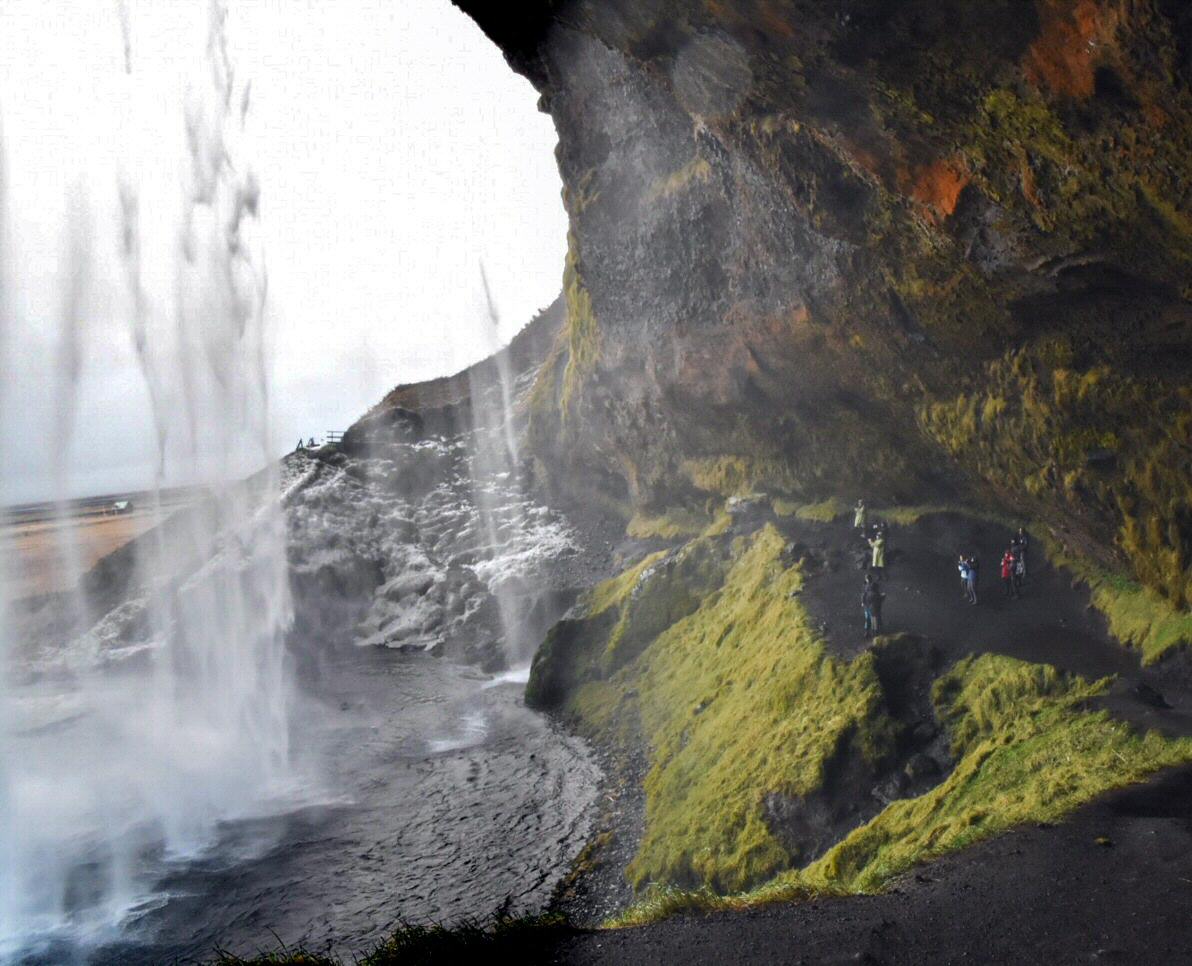
You wouldn't be the first one it happens to.
Other plus point is that the landscapes are much more colorful than when the island is covered in snow, since it is a place where the contrasts of colors leave you with your mouth open.
But it must be clear that travel to Iceland in summer They are not all advantages.
ORGANIZE your TRIP
- Don't forget your TRAVEL INSURANCE with a 10% discount
- Book the HOTEL for your trip
- eSIM card to have INTERNET at a discount
- The best TOURS and EXCURSIONS in Spanish
- TOURS and ACTIVITIES in English and other languages
- NO-LINE TICKETS for museums and monuments
- RENT a CAR for your trip
- Has your flight been cancelled? How to claim compensation
- Book your TRANSFER from the airport
Peak tourist season in Iceland
The price of hotels is much higher since the summer is peak tourist season in iceland and there is very little accommodation offer.
You must also keep in mind that we are talking about one of the most expensive countries in the world.

In recent years the tourism in iceland has experienced a boom, and in summer there is even a lot of tourist overcrowding
And last, but not least, at least for us, is that in summer you cannot see the northern lights o northern Lights.
Travel to Iceland in winter
Iceland in full winter has a very harsh climateIn fact, many agencies don't even make some of the trips because many roads are closed due to frost, especially in the north of the island.
Being close to the 60º parallel, winters are polar even though the warm gulf currents bring warm air from the Caribbean.
And thank goodness, because otherwise Iceland would be a freezer.
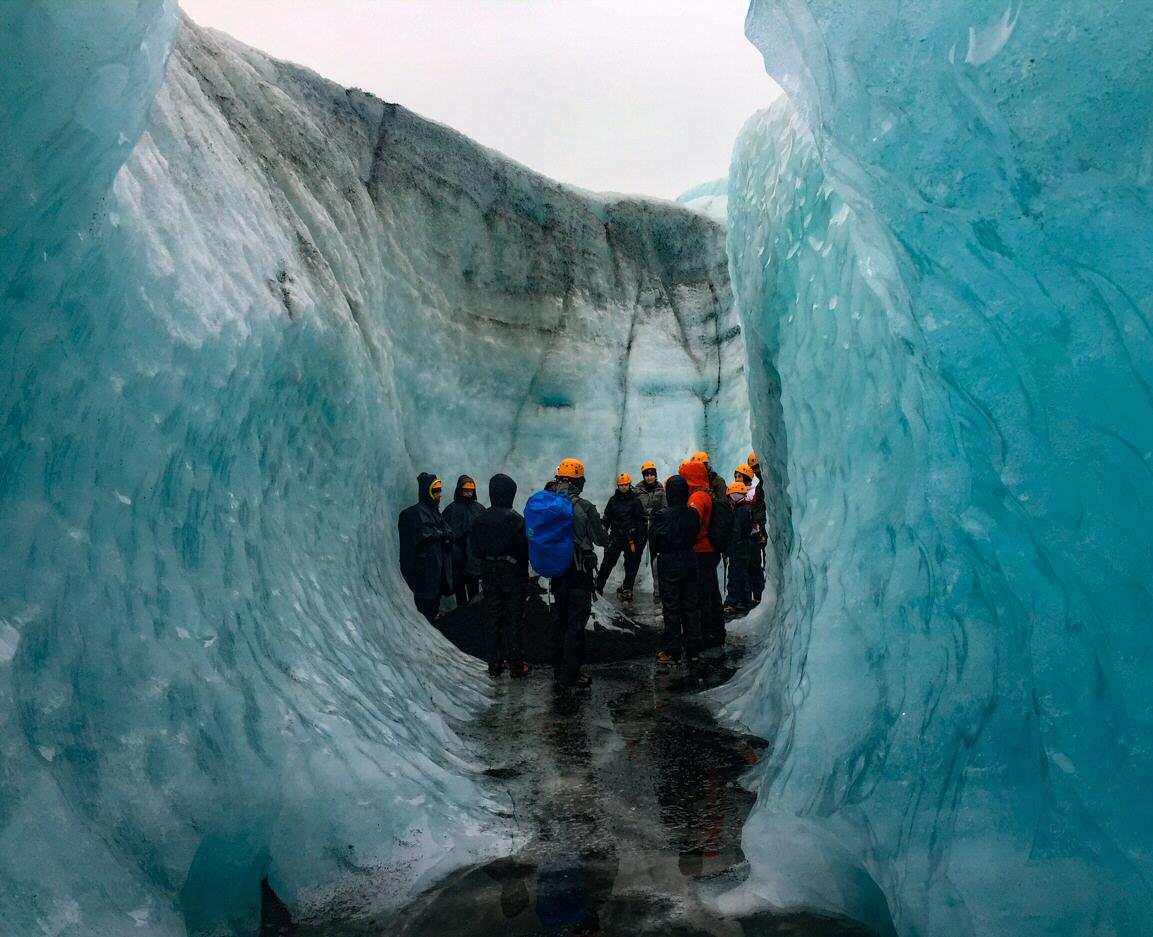
But we must distinguish in the middle of the winter, specifically the months of December, January and February, than the months of October and November on the one hand, and March and April on the other.
We have traveled at the beginning of the winter season, at the end of October and beginning of November, and we believe that almost everything is an advantage.
The temperatures in winter They are cold, we used to have temperatures slightly below zero, but as they say there, “if you wear the right clothes, the cold does not exist.”
La thermal sensation, which is what really marks the cold you feel, as we have mentioned it is conditioned by the wind; In fact, in Iceland you can have very windy days, although, luckily, we barely felt it during our trip.
Another advantage is that at this time there are much fewer people in all the places you are going to visit, something that is highly valued in nature trips.
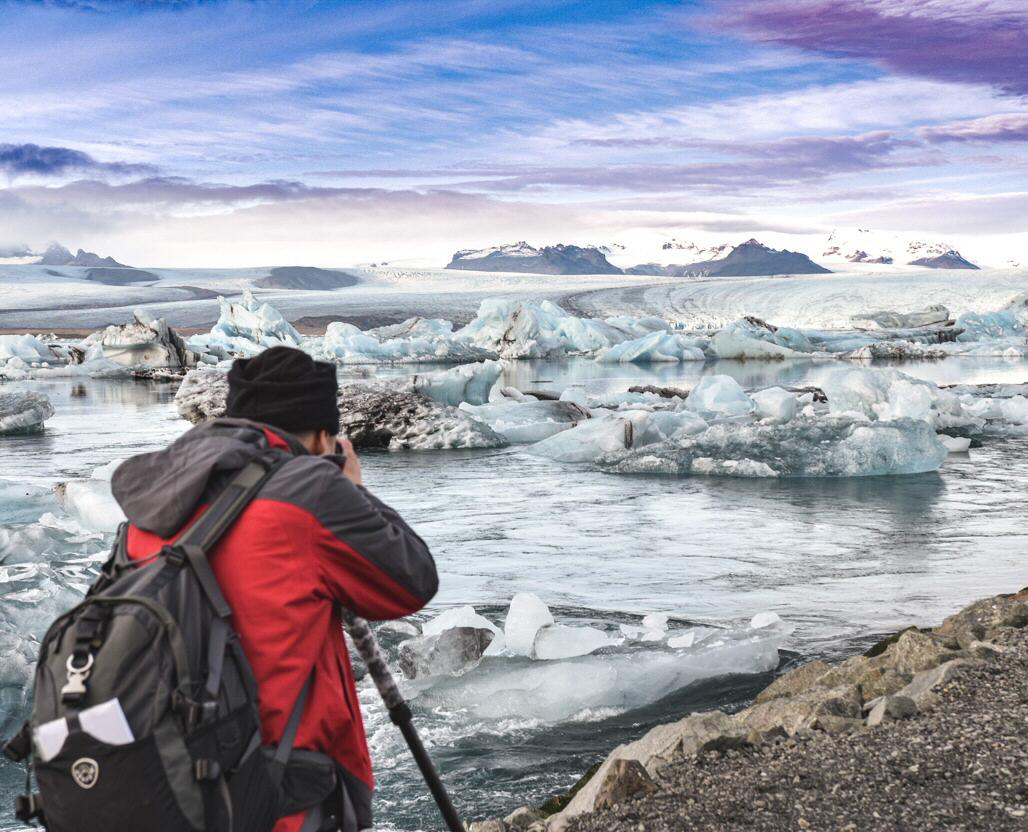
It's a shame to arrive at an impressive waterfall and find it crowded with tourists.
Best time to see the northern lights in Iceland
There are certain places in the world that are worth seeing with few people, or even being able to enjoy them just for yourself.
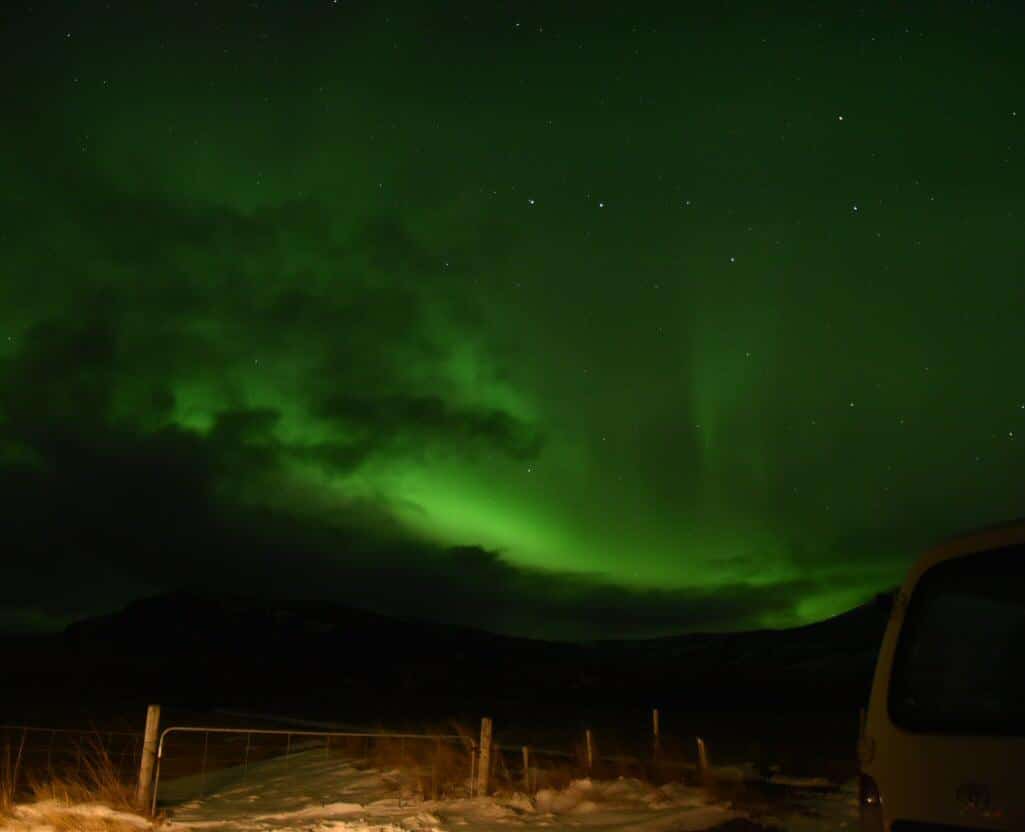
But in our case what made us opt for a winter trip to iceland was the possibility of see northern lights, an elusive phenomenon for us until we visited Iceland.
La Best time to see the Northern Lights in Iceland It is winter, since there are many more hours of darkness than in summer.
The good thing is that you can see the northern lights from the end of October, in as much as Iceland It is one of the best places in the world to see them, due to the high intensity with which they occur on this Arctic island.
Landscapes in Iceland
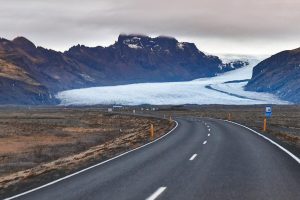
On the other hand, the landscapes were only slightly snowy near some glaciers, which allowed us to see the entire color range that the country offers.
Also, for those of you who like photography, it is the best time, because the days have enough light and the sunrises are incredible.
Due to the inclination of the planet and its location on it, both sunrises and sunsets last several hours, which allows you to visit several places with that special light that the sun offers when it rises and sets.
Book your hotel, 15% discount, free cancellation
When planning your trip, we advise you to, well in advance, Book your hotel now on booking.com where you can find discounts from 15% and you will have a possible cancellation for free
This is our recommendation, you can leave us your opinions in the comments about what you consider to be the best. your best time to travel to Iceland.
Here we also leave you other articles from Iceland that may interest you.


Comment