



El Roman Theatre is, with the Roman Art Museum, most visited place in Mérida, in the province of Badajoz en Estremadura.
It is not surprising since, together with the Aqueduct of Segovia, this is great Roman monument of the Peninsula.
Although many photographs or videos have been seen, it is very impressive the first time you enter the stands and see the front of the stage, since it is like entering suddenly into the world of Roman culture of which we are largely heirs.
DON'T FORGET YOUR TRAVEL INSURANCE
Are you planning your trip or getaway? Don't leave without take out your travel insurance before, and here we explain whyIf you contract it with us, you have a 10% discount with the code GUIASVIAJAR10.
All the information in detail
Roman Theater of Mérida, World Heritage Site
The importance of theater is reflected in the fact that it is the main monument at the archaeological site of Mérida who is registered on the list of World Heritage of the Unesco 1993 since.
The reason for this distinction is that these vestiges are very well preserved and show what a capital of a Roman province was like in imperial times.
El Roman Theatre forms a set with Amphitheater, which is located right next door, so the visit is made to both monuments at the same time.
A few meters away are other fundamental places in a tourism visit to Méridaand National Museum of Roman Art and Amphitheater House.
Curiosities history Roman Theater of Mérida
The theater was built a little over 2000 years ago as it was inaugurated in the year 15 or 16 before our time. rd.
One of the reasons for its relatively good preservation is that for many centuries it remained underground.
The place was probably covered after the establishment of the Christianity, which marked the end of theatrical shows.
Terraces were formed on the slope to dedicate the land to agriculture and over time it was forgotten that there could have been a theater there.
Here you can sign up for a Complete tour of Merida three and a half hours long, with tickets to the main monuments such as the Theater and the Amphitheater, or if you are a group of family or friends, to a Private tour of Merida three hours
It is said that only the upper part of the stands protruded from the surface and that group was popularly known as the Seven Chairs.
Although in general the Romans preferred gladiator shows and chariot races and, therefore, frequented amphitheaters and circuses more, theaters played a fundamental role in the social, cultural and political life of any city.
That is why theaters as splendid as this one were built. Augusta Emeritus.
What to see when visiting the Roman Theater of Mérida
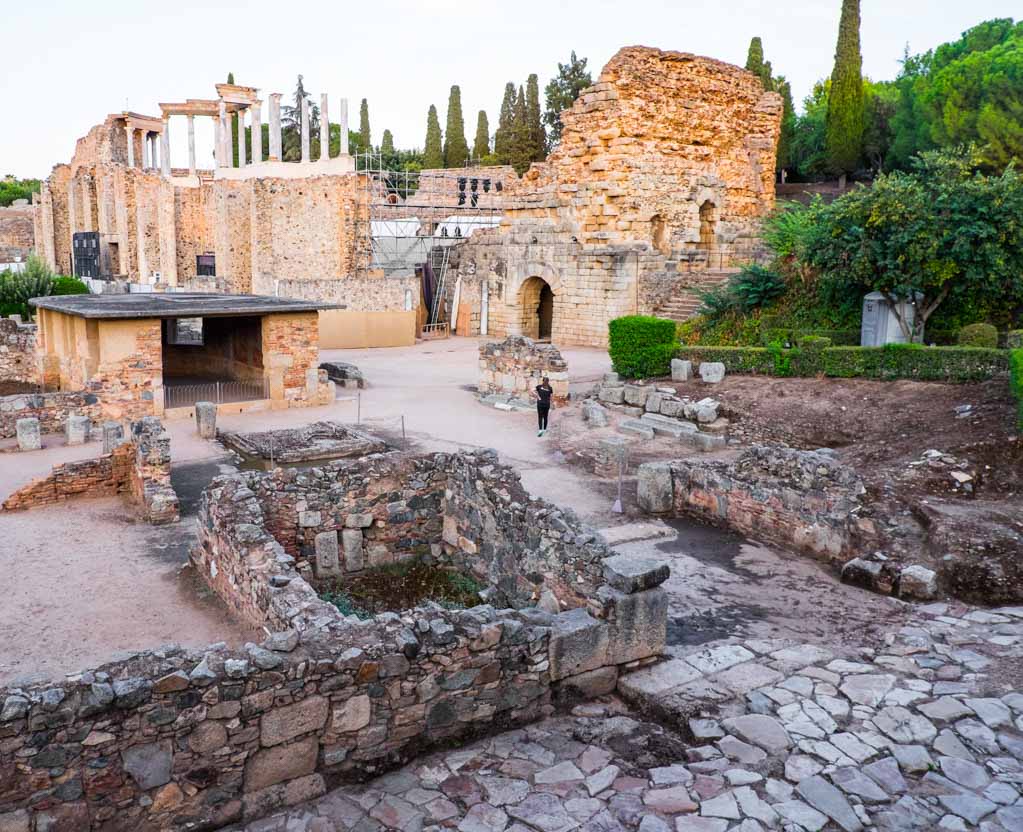
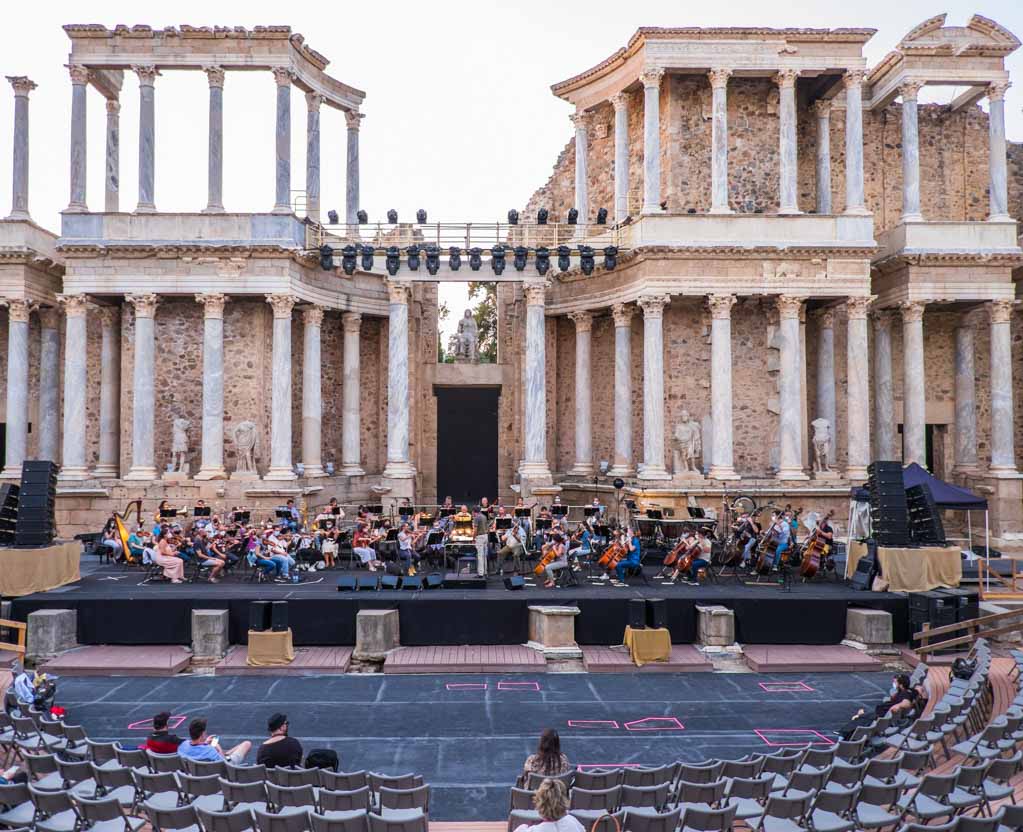
Upon entering this venue, the first thing you see, on the right, is the rear part of the front of the stage and an open area with columns and remains of buildings that were also part of the theater complex.
If we head towards the theater itself, we will see on our left the entrances to the Amphitheater which, although less known than the Theater, it's really worth seeing.
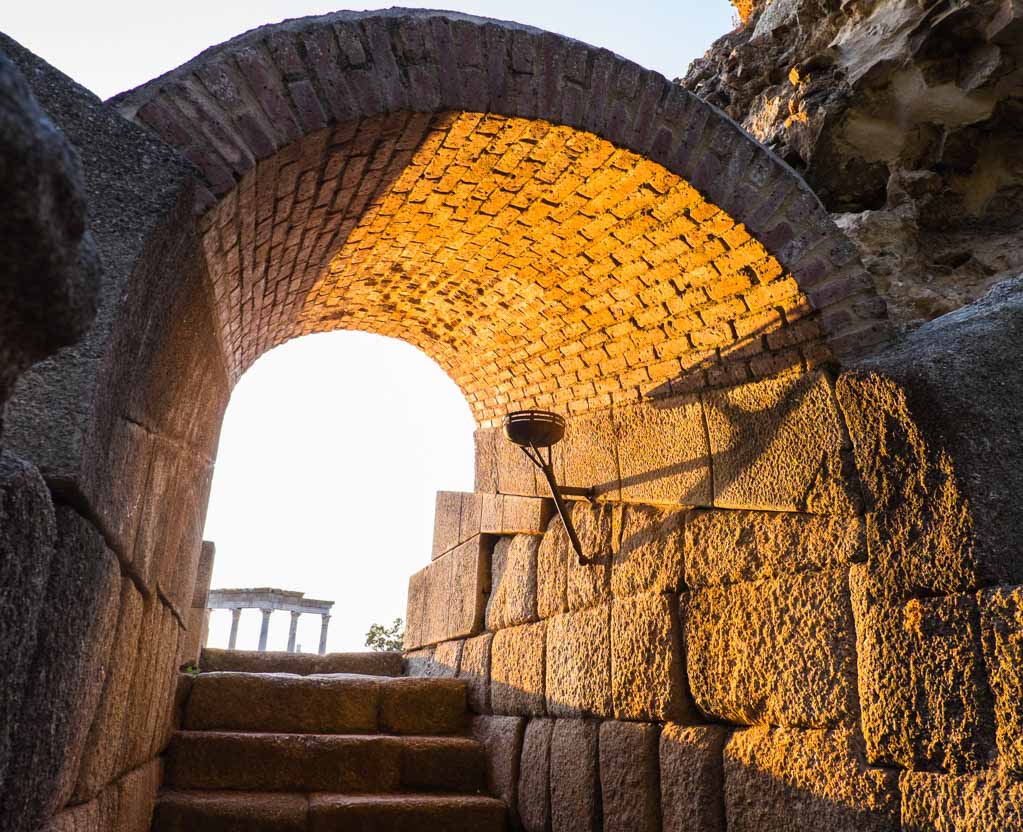
As has already been said, entering the theater stands and looking at the front of the stage is one of the best moments of visiting Mérida.
Its large dimensions must be highlighted because the Augusta Emerita theater It had capacity for almost 6.000 spectators.
The set follows the usual design of many theaters of its time and is based on the model created by Vitruvian, the Roman architect author of the architecture treatise oldest preserved.
Areas of the Roman Theater of Mérida
El bleachers, LLAMADA cellar, was built taking advantage of the slope of a hill.
ORGANIZE your TRIP
- Don't forget your TRAVEL INSURANCE with a 10% discount
- Book the HOTEL for your trip
- eSIM card to have INTERNET at a discount
- The best TOURS and EXCURSIONS in Spanish
- TOURS and ACTIVITIES in English and other languages
- NO-LINE TICKETS for museums and monuments
- RENT a CAR for your trip
- Has your flight been cancelled? How to claim compensation
- Book your TRANSFER from the airport
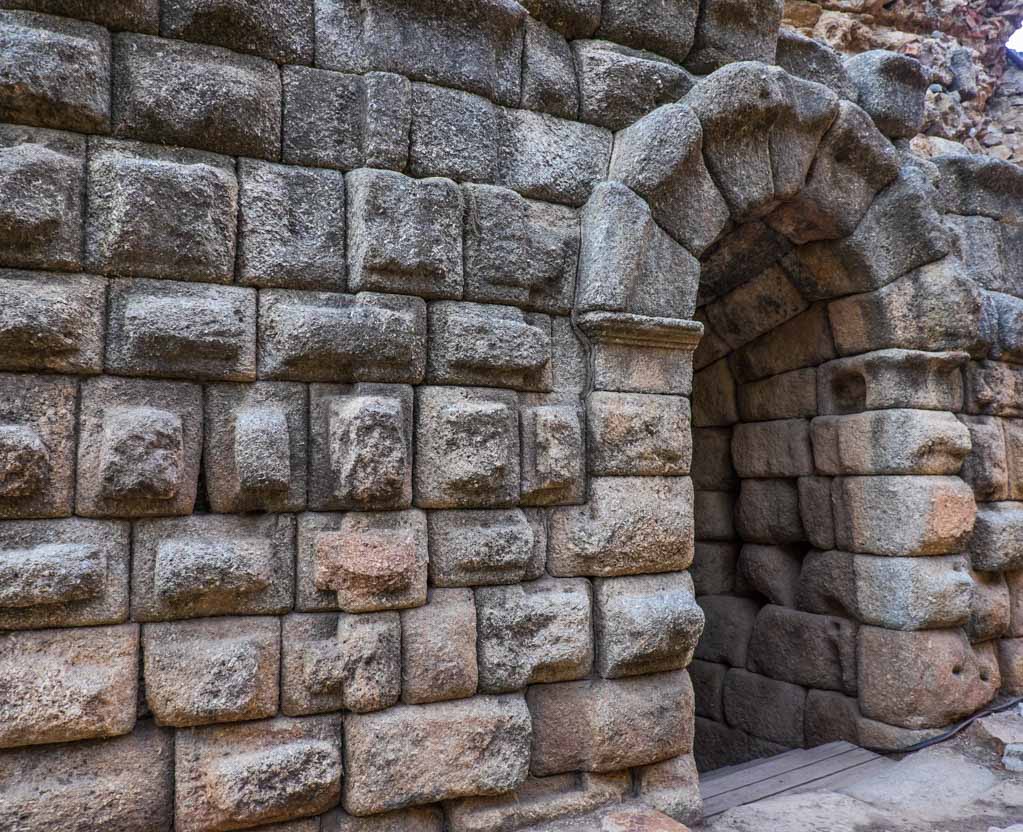
This was a common practice of Roman architects since it saved a lot of work, and that is why the external façade of the cellar She's not really tall.
As we walk around the stands or sit in one of the seats, we can see that the cellar It is divided into three sectors ima, media y summa.
La ima It was the closest to the scene and, therefore, the best and the one occupied by the wealthy classes. A horizontal corridor separated this sector from the upper ones.
However, still ahead were three rows of seats reserved for the authorities.
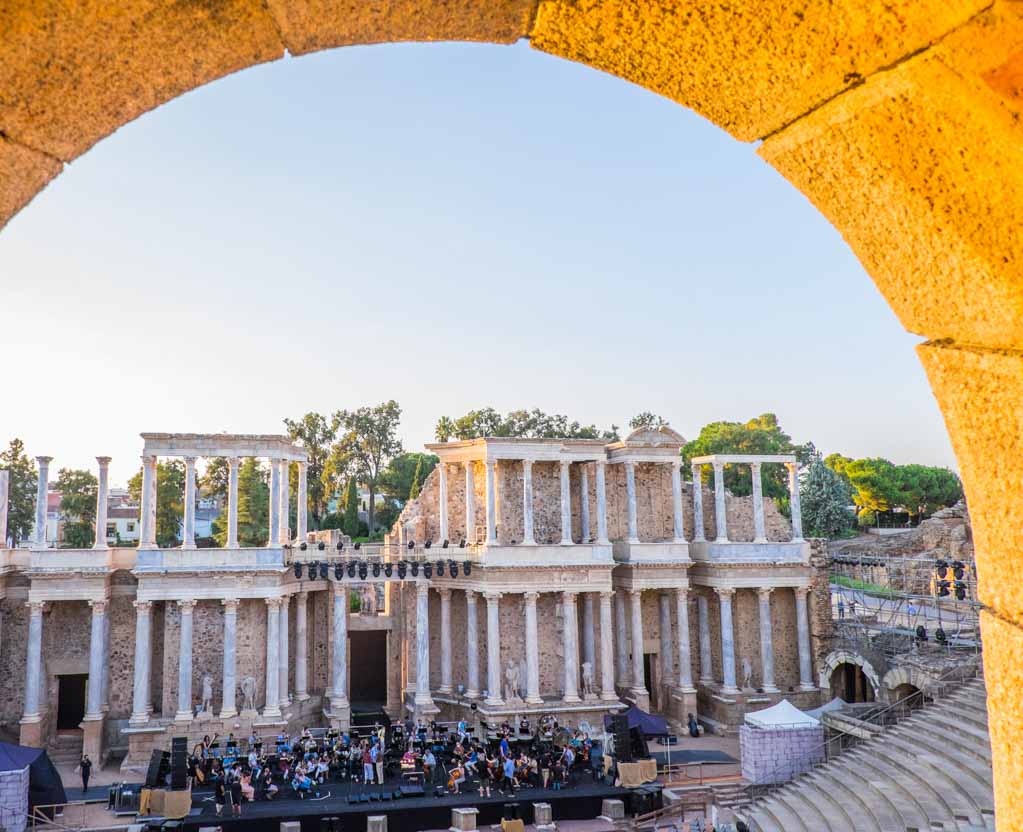
The most spectacular thing and what always attracts the most attention is the front of the stage, with two bodies of marble columns.
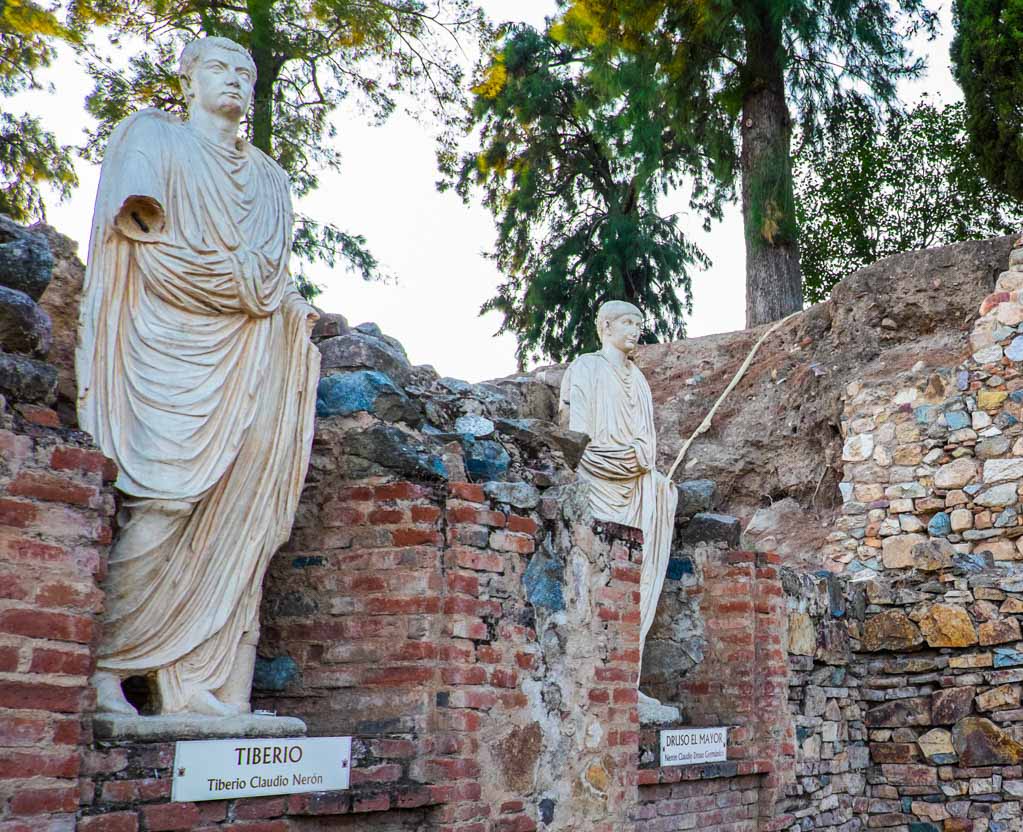
Among them, a series of sculptures complete the decoration: Ceres, Pluto, Proserpina and other statues, some with togas and others with cuirasses, which have been interpreted as imperial portraits.
There ahead we find the orchestra, in which the choir was located.
Behind the front of the scene there is a fairly extensive area with some columns, which must have extended around this area.
They were some porticoed gardens through which he walked before or after the shows.
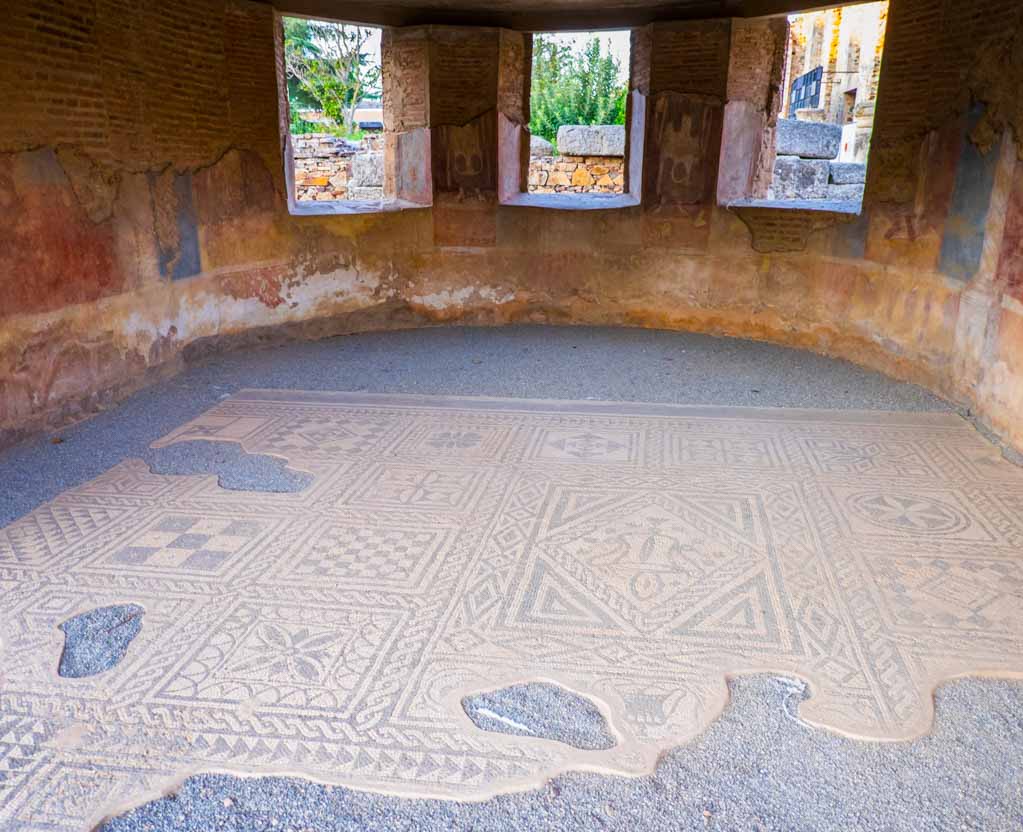
In the background, aligned with the central door of the scene, are the remains of a small room probably dedicated to the imperial cult.
At one end of this area you can see a piece of road and the remains of the call Basilica Theater House, where part of the mosaics that decorated the floor.
Cultural shows at the Roman Theater of Mérida
There is no doubt that the Mérida is one of best preserved roman theaters, but, above all, the important thing is that, after 20 centuries, it continues to fulfill its original function.
Throughout the year it is the scene of different cultural shows and, in summer, it is the main headquarters of the International Festival of Classical Theater of Mérida.
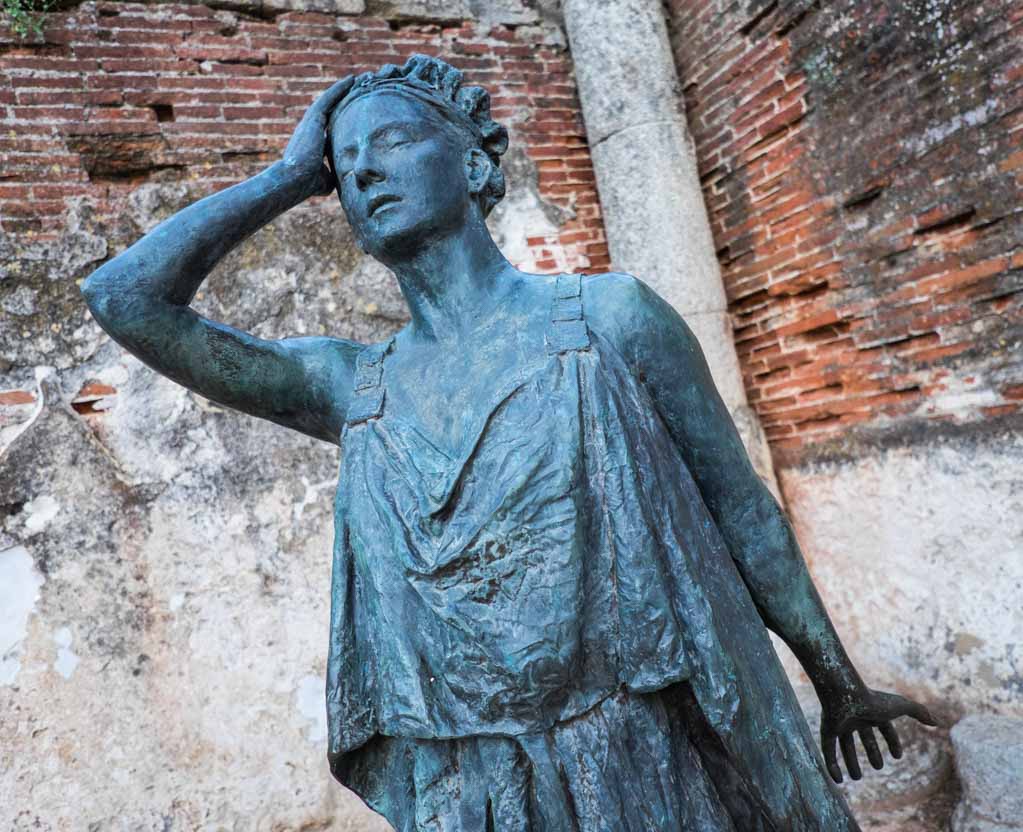
This festival is one of the most important in Europe of its kind.
It is considered that it began with the representation of Medea by Seneca that the company made Margarita Xirgu in 1933, according to the version of Miguel de Unamuno.
A statue of the actress next to one of the entrances to the stage remembers this event.
This festival is, therefore, the oldest of those celebrated in Spain.
Roman Amphitheater of Mérida
Although the theater is the most well-known and appreciated structure, it has already been said that you should not miss visiting the Anfiteatro Romano, which is located right next door.
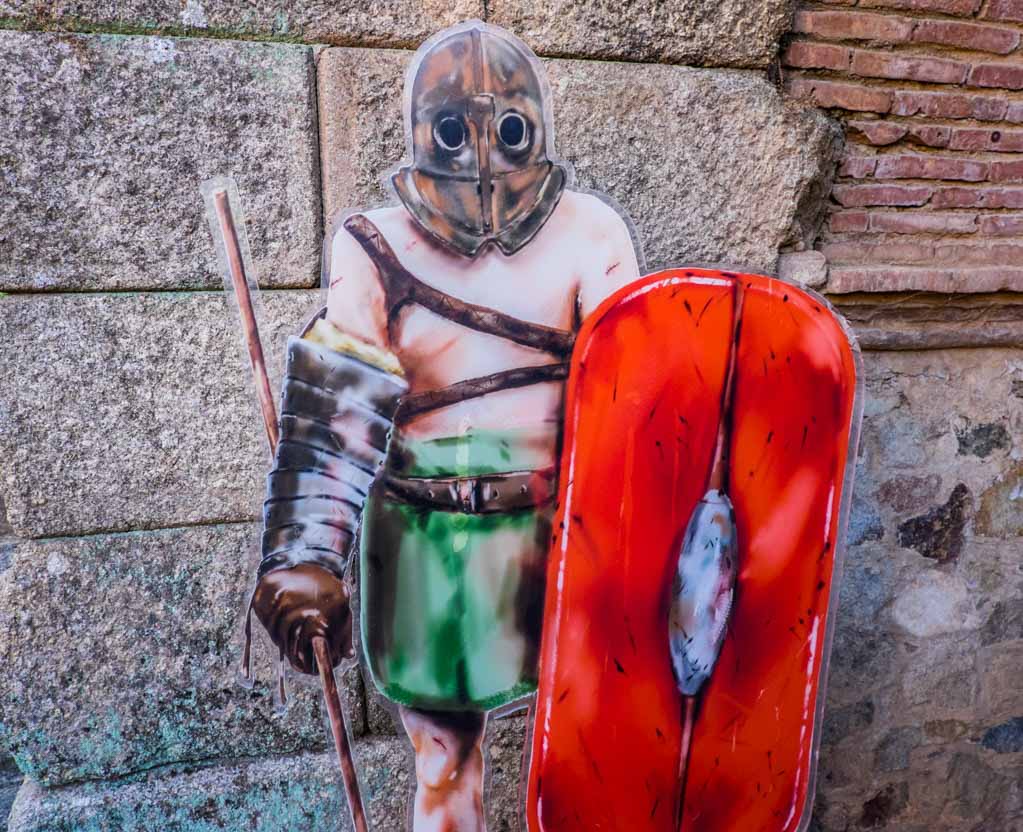
This place was the scene of gladiator and wild animal fights. These violent spectacles were the favorites of the majority of the population.
Theatrical plays had fewer audiences, but attending their performance was a test of status. The plebs preferred the fights in the amphitheater or the races on the hippodrome.
Book your hotel, 15% discount, free cancellation
When planning your trip, we advise you to, well in advance, Book your hotel now on booking.com where you can find discounts from 15% and you will have a possible cancellation for free
The amphitheater It was built practically at the same time as the Roman Theater and it was also abandoned and remained practically buried since the 4th century.
Upon entering and climbing to the top of the steps you can see that the structure is completely different from that of the Theater.

It is a much larger complex, elliptical in shape, and its longest axis measures no less than 126 meters.
As in the Roman Theatre, the stands are divided into three levels, although few remains of the upper one remain.
It is estimated that it could accommodate 14.000 spectators, so its capacity was more than double that of the Theatre.
Here you can sign up for one guided tour of the Roman Theater and Amphitheater of Mérida, one hour long and with tickets already included
How to visit the Theater and Amphitheater of Mérida
Unlike other monuments found around the historic center of Merida or on its outskirts and which are freely visited, these two places are part of those that are in closed areas and the visit is subject to schedules.
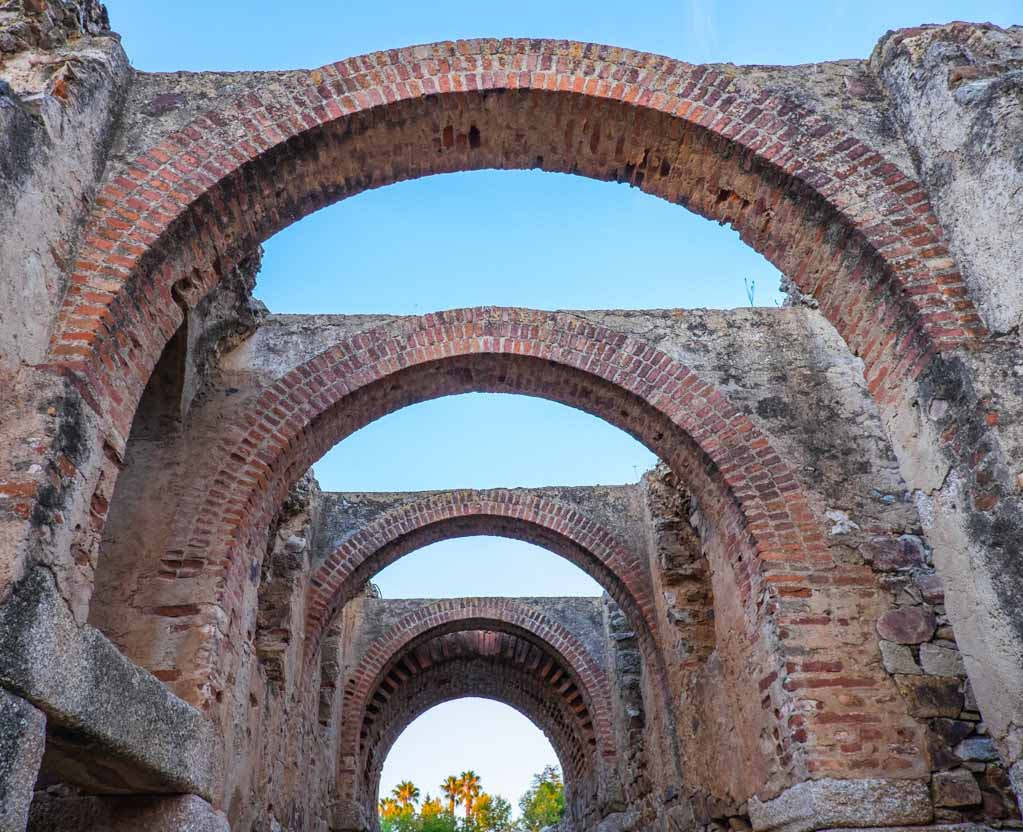
Schedules Roman Theater and Amphitheater of Mérida
The Visiting hours of the Roman Theater and Amphitheater of Mérida They are, from October to March, from 9 a.m. to 18,30:9 p.m., and from April to September, from 21 a.m. to XNUMX p.m., with last access half an hour earlier.
Ticket prices for the Roman Theater and Amphitheater of Mérida
Although you can get a ticket for each place, it is much more convenient to purchase a pass that includes several monuments.
The price is much more affordable and you also avoid queues at each entrance.
Reserve your RENTAL CAR now for your trip
Looking ahead to your trip, book your rental car now on this website that offers you the best price guaranteed and allows you a possible free cancellation in most cases. Here you have more information with tips for renting a car
La joint entry includes access to the following monuments of Merida: Roman Theater and Amphitheater, Alcazaba, Casa del Mitreo and Funerary Area of the Columbarios, Archaeological Crypt of Santa Eulalia, Archaeological Area of Morería, House of the Amphitheater, Temple of Diana and Roman Circus.
El joint entrance price to the monuments of Mérida It is 16 euros, with a reduced price of 8 euros for young people from 13 to 17 years old, students, people over 65 years of age or retirees, disabled people and large families, and free pass for children under 13 years of age and other groups.
El Individual ticket price to the Roman Theater and Amphitheater It is 12 euros, with a reduced price of 6 euros.




Comment